



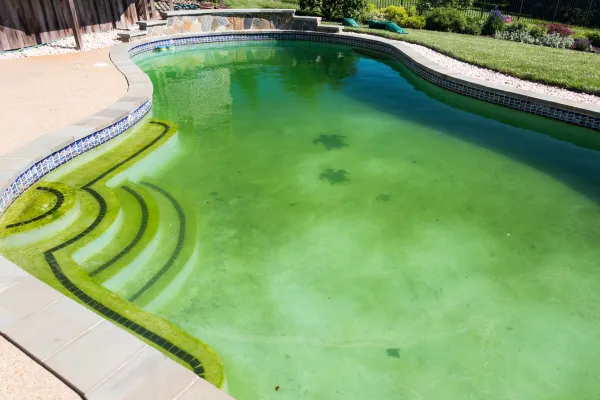
Why South Bay Pools Turn Cloudy (And What Redondo Beach Homeowners Can Do to Prevent It in 2025)
Cloudy pool water in the South Bay area is usually caused by a mix of unbalanced chemistry, poor filtration, and coastal debris blowing into the water. For Redondo Beach homeowners, staying ahead of pH, chlorine, and filtration run-time—plus regular brushing and vacuuming—is the key to keeping your pool clear, safe, and swim-ready all year.
TL;DR – Cloudy Pool Fix in 30 Seconds
Most cloudy pools = chemistry + filtration + debris working together.
South Bay’s wind, coastal haze, and heavy use make cloudiness more common.
Keep pH 7.2–7.8, chlorine in range, filter 8–12 hours/day in summer.
Brush, skim, and vacuum weekly; backwash or clean filters on schedule.
Call a pro like MD Pool Rescue if cloudiness lasts more than 48 hours or returns often.
If you live in Redondo Beach, you know the drill: one windy weekend, a couple of hot days, a busy family swim—and on Monday your pool looks dull, hazy, or straight-up milky. It’s frustrating, especially when you feel like you’re “doing everything right.” The good news? Cloudy water is a fixable signal, not a mystery. Let’s break down why it happens so often in the South Bay and how to prevent it in 2025.
What does “cloudy pool water” actually mean?
Cloudy water means there are tiny suspended particles in your pool—too small to see individually, but big enough to scatter light so the water looks dull, hazy, or milky instead of crisp and sparkling. It’s usually a mix of:
Fine dirt and dust
Body oils, sunscreen, and sweat
Organic matter (leaves, pollen, algae spores)
Mineral or chemical residues
A slightly dull pool is an early warning. When you can’t clearly see the main drain on the deep end, cloudiness has become a safety issue, not just a cosmetic one.
Why do South Bay & Redondo Beach pools turn cloudy so often?
Living near the coast is amazing. For your pool, it’s… complicated. South Bay micro-climate conditions add extra stress compared to inland areas. Here are the main factors.
1. Coastal wind and airborne debris
Redondo Beach gets regular ocean breezes that blow:
Fine sand and dust
Pollen from nearby landscaping
Leaves and small organic particles
These tiny particles sink slowly and clog filters faster. If your skimmer baskets, pump basket, or filter are already partially blocked, they can’t capture everything, and your water turns cloudy more easily.
2. Sunscreen, sweat, and heavy weekend use
South Bay pools are often weekend hubs—friends, kids, barbecues, and long afternoons in the water. Every swimmer brings:
Sunscreen and lotion
Body oils and sweat
Hair products and cosmetics
All of that adds to the pool’s organic load. If chlorine and filtration don’t keep up, the water becomes dull and hazy, then drifts toward algae growth.
3. Unbalanced water chemistry
Even one parameter drifting out of range can trigger cloudiness:
Low chlorine: can’t keep up with organics and bacteria → hazy, “flat” water.
High pH: reduces chlorine effectiveness and can cause scale.
High alkalinity or calcium hardness: leads to calcium clouding and scaling on surfaces.
Because coastal temperatures swing and pools see uneven use, it’s very easy for chemistry to be perfect one week and off the next.
4. Filtration and circulation issues
Your filter is the kidney of the pool. When it’s not working optimally, cloudiness shows up fast:
Filter not run long enough (especially on hot or busy days)
Dirty or clogged cartridges / DE grids / sand
Weak pump flow or clogged pump basket
Dead spots where water doesn’t circulate well (corners, steps, behind ladders)
Even if your chemistry is perfect on paper, poor filtration can leave the water cloudy.
5. Early-stage algae growth
Cloudiness often appears before you see green walls or a green tint. When chlorine dips, algae spores begin to multiply. The pool may first look:
Slightly dull or grayish
A bit “off” even after brushing
Like there’s a faint haze in the deep end
If not corrected, that early haze quickly becomes a green or yellow bloom.
Is cloudy pool water dangerous?
Yes, it can be.
Safety risk: If you can’t see the bottom clearly, it’s harder to spot a struggling swimmer or object in the deep end.
Health risk: Cloudiness often means insufficient sanitizer or high organic load, which can allow bacteria and other pathogens to thrive.
Equipment risk: Scale or debris that causes cloudiness can also clog filters, shorten pump life, and damage heaters or salt cells.
For Redondo Beach homeowners, it’s smart to treat cloudy water as a do-not-ignore warning, not a minor annoyance.
Main causes of cloudy water in South Bay pools (quick reference)
Here’s a simple reference table you can bookmark:
Symptom Likely Cause DIY Check When to Call MD Pool Rescue Dull, hazy water after weekend Low chlorine, high organics Test chlorine & pH; shock & run filter If not clear in 24–48 hours Milky/white water High calcium, over-shocking, filter Check calcium hardness & filter pressure If cloudiness worsens after treatment Cloudy with greenish tint Early algae growth Brush walls; test chlorine & CYA If algae returns after brushing/shocking Cloudy + poor circulation Dirty filter, clogged baskets, pump Empty baskets; backwash/clean filter If pressure stays high or flow is weak Recurring cloudiness every month Under-sized or aging equipment, habits Review run times & usage patterns For inspection, upgrade, or service plan
What can Redondo Beach homeowners do to prevent cloudy pools in 2025?
Think of prevention as a weekly rhythm, not a one-time fix. Here’s a practical, South Bay-specific routine you can follow.
1. Test and balance chemistry weekly (or more in summer)
Aim to keep:
Free chlorine: 2–4 ppm (higher if pool is packed with swimmers)
pH: 7.2–7.8
Total alkalinity: 80–120 ppm
Calcium hardness: 200–400 ppm (higher if you have a plaster pool)
Cyanuric acid (stabilizer): 30–50 ppm for non-salt systems; follow manufacturer guidance for saltwater
Use a reliable test kit (not just strips), and adjust slowly. In peak season, testing 2–3 times a week is ideal.
2. Run your filter long enough for South Bay conditions
For Redondo Beach’s climate, many homeowners under-estimate run times. As a starting point:
Standard residential pool (non-variable-speed pump):
8–10 hours/day in warm months
4–6 hours/day in cooler months
After heavy use, wind, or a party: run the filter longer and consider a light shock treatment.
If your pool stays cloudy despite good chemistry, increasing run time is often a quick win.
3. Clean filters and baskets on schedule
A clean filtration system is your secret weapon against cloudiness:
Empty skimmer and pump baskets at least once a week—more often after Santa Ana winds or storms.
Backwash sand/DE filters when pressure rises 8–10 psi over clean starting pressure.
Clean cartridge filters as recommended (and replace when they no longer come fully clean).
If you’re not sure when your filter was last opened or deep-cleaned, that alone can be a reason the pool won’t stay clear.
4. Brush, skim, and vacuum like a pro
In coastal communities, particles settle quickly on steps, benches, and walls. Make it a habit to:
Brush walls and steps at least once a week to loosen debris and early algae.
Skim the surface regularly to pull out leaves before they sink.
Vacuum manually or use a robotic cleaner to remove fine debris from the floor.
This keeps your filter from being overwhelmed and reduces the organic load that eats up chlorine.
5. Use shock and clarifiers the right way
Chemical “quick fixes” can help—if used correctly:
Shock treatments: Great after heavy use, storms, or when chlorine has dropped. Always follow label directions and run the pump continuously afterward.
Clarifiers: Help your filter catch ultra-fine particles, but over-use can cause more problems. Use sparingly and never mix with other specialty products unless labels say it’s safe.
If you find yourself shocking the pool every weekend just to keep up, it’s a sign you need a deeper diagnosis, not just more chemicals.
6. Protect your pool from wind and debris
For Redondo Beach backyards, a few small upgrades can drastically cut cloudiness:
Trim or reposition overhanging plants that constantly drop debris.
Consider wind-blocking hedges or screens where gusts funnel dirt into the pool.
Use a pool cover when the pool isn’t in use for longer stretches—especially in fall and winter.
Less debris in the water means less work for your chlorine and filter.
Real-world example: A cloudy Hollywood Riviera pool that wouldn’t stay clear
A homeowner in the Hollywood Riviera area kept battling the same cycle:
Pool turned cloudy after every hot weekend.
They shocked it Sunday night.
By Tuesday it was clear… and then cloudy again by the next week.
When a professional tech from MD Pool Rescue inspected the pool, they found:
A partially clogged cartridge filter that hadn’t been deep-cleaned in over a year.
A short run time of only 5–6 hours/day in peak season.
High pH that was weakening their chlorine.
By cleaning the filter, balancing pH, and increasing run time, the pool stayed consistently clear—even after parties—without heavy, repeated shocking.
When should you call a professional like MD Pool Rescue?
DIY care goes a long way, but there are times when bringing in a local expert saves time, money, and frustration. Reach out to a pro if:
Cloudiness doesn’t improve within 24–48 hours after correcting chemistry and running the filter longer.
You notice recurring haze every few weeks, even with regular brushing and vacuuming.
Your filter pressure is high or water flow seems weak.
You’re not sure how old your equipment is or whether it’s properly sized for your pool.
You simply want a worry-free, “always clear” service plan so you can enjoy the pool instead of chasing problems.
A professional South Bay service like MD Pool Rescue understands local water conditions, coastal wind patterns, and equipment challenges specific to Redondo Beach backyards.
FAQs – Cloudy Pools in the South Bay
How long should it take to clear a cloudy pool?
If chemistry and filtration are corrected quickly, mild cloudy water often clears within 24–48 hours. If it’s still hazy after two days of proper circulation and balanced chlorine, there may be deeper issues with the filter, equipment sizing, or hidden algae.
Can I swim in a cloudy pool if the chemicals are “in range”?
Even if basic test readings look okay, it’s best to avoid swimming when you can’t clearly see the bottom. Cloudy water usually signals either poor sanitation, fine debris, or early algae—all of which can affect comfort and safety.
Does a saltwater pool get cloudy less often?
Saltwater pools still use chlorine; they just generate it on site. They can stay more consistent when the system is sized correctly and maintained, but they’re not immune to cloudiness from debris, imbalanced chemistry, or dirty filters.
Why is my pool cloudy after I shock it?
Right after shocking, it’s common to see temporary cloudiness as the shock oxidizes contaminants. If the filter is clean and running, that cloudiness should clear within a day. Persistent milky water may indicate high calcium, over-shocking, or filtration problems.
How often should a professional service my pool in Redondo Beach?
Many South Bay homeowners choose weekly service during peak season and at least bi-weekly in cooler months. A regular maintenance plan keeps chemistry, filtration, and cleaning on track so cloudy surprises are rare.
About the Author
Author: Mike Dunbar & Danny Perez, Co-Owners | Pool Technicians at MD Pool Rescue, serving residential pool owners across Redondo Beach and the South Bay with expert maintenance, troubleshooting, and green-to-clean recovery services.
Reviewed by: MD Pool Rescue Pool Service Team.
Disclaimer: This article provides general educational information about pool care. It is not a substitute for an on-site professional inspection or manufacturer instructions. Always follow local regulations, equipment manuals, and safety guidelines.
MD Pool Rescue proudly serves: Redondo Beach, Torrance, Hermosa Beach, Manhattan Beach, and surrounding South Bay communities.
If your pool is cloudy, green, or just not staying clear, call 310 408-6086 or visit mdpoolrescue.com to schedule service.